

Top 10 Questions to Ask Your GI or Dietitian After a Celiac Diagnosis

By Kate Bourke, RDN, Clinical Advisor to NIMA
Top 10 Questions to Ask Your GI or Dietitian After a Celiac Diagnosis
Okay, deep breath. You've just been diagnosed with Celiac Disease, and your head is probably spinning with questions, worries, and maybe a little bit of "now what?!". It's a lot to take in! But here's the good news: you now have the key to feeling so much better.
Think of your gastroenterologist (GI) and registered dietitian (RD) as your new co-pilots on this gluten-free adventure. Between appointments, our guide to what people with celiac can eat is a practical place to start building safe meals. Understanding how much gluten a celiac can tolerate helps put ppm thresholds, cross-contact, and individual reactions into practical context.
To get the most out of your appointments and walk out feeling confident, you need to be prepared. Let's arm you with the top 10 questions to ask so you can hit the ground running.
The Top 10 Questions:
1. So, how did we get here? Can you walk me through my diagnosis?
It's important to understand the basis of your diagnosis. Typically, this involves blood tests that look for specific antibodies, such as tissue transglutaminase (tTG-IgA). If these antibodies are present, a gastroenterologist will likely perform an upper gastrointestinal endoscopy to take a small sample of your intestinal lining (a biopsy) to check for damage. It's crucial not to start a gluten-free diet before testing is complete, as it can lead to inaccurate results. What each of those steps costs depends on your insurance and provider, and the difference between them can be significant.
2. What's the game plan for checking in on my progress?
After your diagnosis, regular monitoring is key to ensure your body is healing. Your doctor and dietitian will likely recommend follow-up blood tests to check your Celiac Disease antibody levels, which should decrease on a strict gluten-free diet. They'll also check for any nutrient levels that might be low. Plan on a follow-up blood test in the first 3-6 months, and then likely once a year after that to make sure everything is on the right track.
3. Am I missing out on any important vitamins or minerals?
Celiac Disease can damage the small intestine, leading to poor absorption of essential nutrients. At the time of diagnosis, it's common to have deficiencies in iron, folate, vitamin B12, vitamin D, calcium, magnesium, and zinc. Your doctor or dietitian can recommend specific supplements to address any deficiencies. Even on a gluten-free diet, some individuals may still be at risk for certain deficiencies, so ongoing monitoring is important.
4. Are oats safe for me to eat?
For most people with Celiac Disease, the answer is yes-if you use oats that are specifically labeled "gluten-free." The problem with regular oats isn't the oats themselves, but that they often get contaminated with wheat in the fields or during processing. Think of it as them hanging out with a bad crowd. So, look for certified gluten-free oats and talk to your dietitian about how to introduce them into your diet. A small handful of people do react to a protein in oats, so it's good to take it slow. If another everyday grain is on your mind, our is rice gluten free guide answers the most common one.
5. What is "cross-contact" and what are the biggest risks at home?
Cross-contact happens when a gluten-free food comes into contact with a gluten-containing food, making it unsafe for someone with Celiac Disease. Even a tiny amount of gluten can cause intestinal damage, even if you don't have obvious symptoms. The biggest culprits in your kitchen are probably your toaster, shared cutting boards (if not washed properly), and that jar of peanut butter someone just double-dipped into with a gluten-filled knife.
6. How do I make my kitchen a gluten-free safe zone?
Don't worry, you don't need to bubble-wrap your kitchen! To create a safe kitchen environment, consider these steps:
- Use a dedicated gluten-free toaster or toaster bags.
- Have separate cutting boards, colanders, and wooden utensils.
- Thoroughly wash all shared pots, pans, and utensils with soap and water before preparing gluten-free food.
- Wipe down counters and surfaces before preparing gluten-free meals.
- Store gluten-free foods in designated areas of your pantry and refrigerator.
7. How do I become a gluten-detective at the grocery store?
Label reading will become a new skill. Look for the words "gluten-free" on the package, which means the food contains less than 20 parts per million (ppm) of gluten, the safe level for celiacs. For an even higher level of assurance, look for products with a third-party certification mark. Always read the ingredients list and be on the lookout for wheat, barley, rye, and malt. Be aware that "wheat-free" does not necessarily mean "gluten-free."
8. How long will it take for me to start feeling better?
This is the question everyone wants answered! The good news is that many people start to feel a difference in just a few weeks after going strictly gluten-free. But be patient with your body. While your symptoms might improve quickly, it takes a lot longer for your intestines to fully heal on the inside. Think of it like a long-term renovation project. Healing is not the same as a cure, though, and knowing whether celiac disease can be reversed helps you set honest expectations.
9. I'm feeling overwhelmed and anxious about food. Is this normal?
One hundred percent, YES. It is completely normal to feel a whole jumble of emotions. You might be relieved to finally have an answer, but also stressed, anxious, or even grieving the loss of your favorite pizza place. Having to think about every single thing you eat is exhausting at first. Your feelings are valid, so let yourself feel them. But just know that there are so many people out there on your team and willing to help you find alternatives and safe restaurants so that some of those overwhelming feelings begin to fade.
10. How can I rebuild my confidence and enjoy food again?
This is the million-dollar question, isn't it? The ultimate goal is to get your food mojo back, and you absolutely will. It's a journey from feeling like food is the enemy to seeing it as a source of joy and nourishment again. It won't happen overnight, but it will happen. Here’s how you can start rebuilding that confidence, one bite at a time.
- Reclaim Your Kitchen: Your own kitchen is the safest place to start. Before you worry about restaurants or parties, focus on making your home a gluten-free sanctuary. This is where you build your confidence.
- Focus on "Can," Not "Can't": Instead of mourning the loss of gluten-filled favorites, get excited about the huge world of foods you can eat. Explore naturally gluten-free foods: vibrant fruits and veggies, delicious cheeses, quality meats and fish, nuts, and legumes.
- Become a GF Foodie: See this as a culinary adventure! Try a new recipe each week. Experiment with gluten-free grains you might not have used before, like quinoa, millet, or buckwheat. You might just discover your new favorite meal.
- Your Dietitian is Your Best Friend: Seriously! They are your personal gluten-free guide. They can give you grocery lists, recommend tried-and-true brands, share easy and delicious recipes, and give you practical strategies for navigating everything from a birthday party to a business lunch.
- Find Your People: Connecting with a celiac support group (online or in-person) is a game-changer. There is nothing more reassuring than venting your frustrations or sharing a win with people who just get it. They'll have the best tips for local restaurants and the first to tell you about a new gluten-free cookie that actually tastes good.
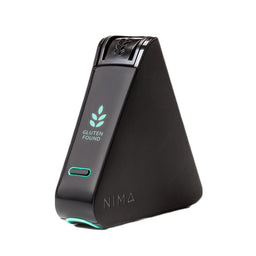
- Consider Your Tech Toolkit: As you get more comfortable, you might want to explore tools that can give you an extra layer of reassurance when you're eating out. One such tool is the Nima Sensor.
Recent News

Food Anxiety With Celiac Disease: How to Feel Safer Around Food
Food anxiety can be a rational response to managing celiac disease, but it should not make your world smaller. This guide explains how to build calmer safety routines, balance vigilance with quality of life, and recognize when professional support could help.


