

Is Soy Sauce Gluten Free? A Brand-by-Brand Breakdown
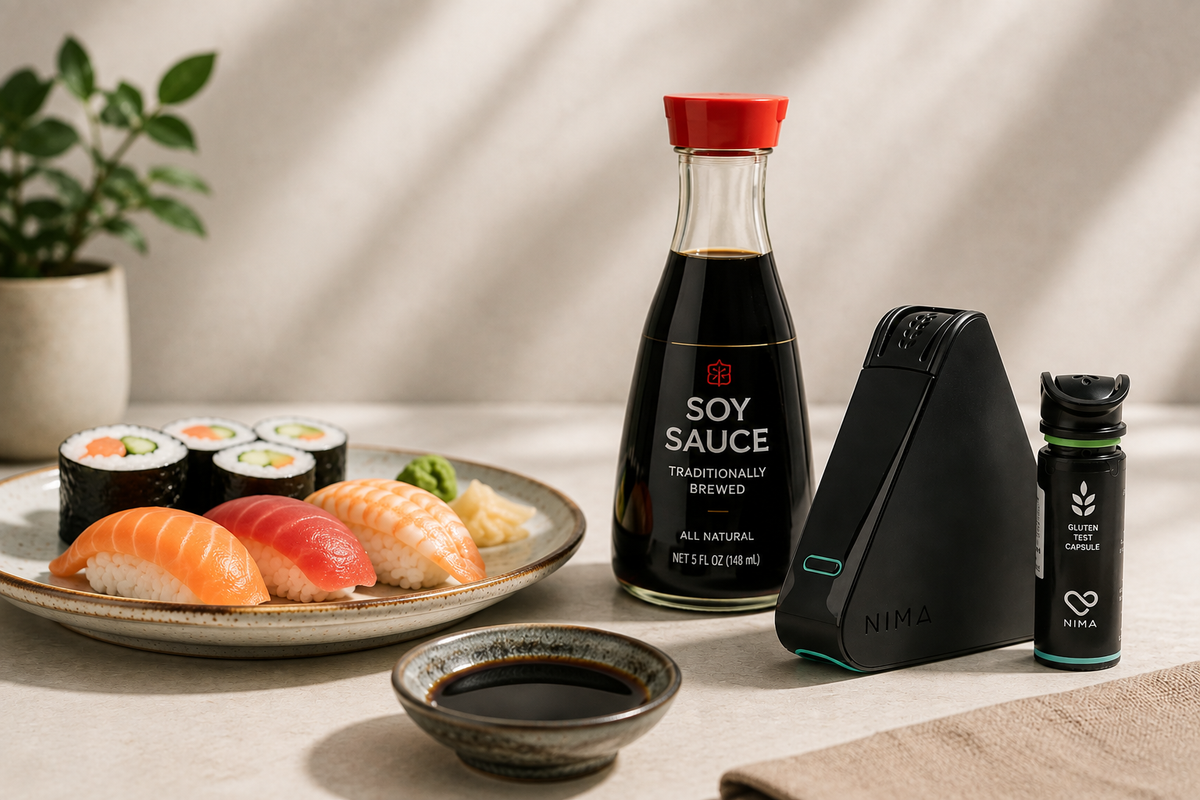
Most traditional soy sauce is not gluten-free because it is brewed with wheat. The clearest alternatives are products made without wheat and labeled or certified gluten-free, including specific soy sauces and tamari. Always check the current label, since a brand name or product type alone is not a guarantee.
You are staring at a takeout menu, or at the little packet of soy sauce next to your sushi, and you are running the math again. Is this one okay? You read labels. You ask questions. And still, soy sauce sits in that frustrating gray zone where the answer is usually "probably not," but you want to know for sure.
This guide gives you the full picture. You will see why most soy sauce contains gluten, what the different types mean, how major brands compare, the best gluten-free swaps, and how to feel more confident when you are eating out.
Why Most Soy Sauce Contains Gluten
Traditional soy sauce starts with an ingredient that surprises many people: wheat. It is not filler. Wheat supports fermentation and contributes to soy sauce's aroma, color, and mellow sweetness. Traditional brewing commonly combines soybeans and wheat with salt and water, then allows the mixture to ferment. Wheat is a core part of the recipe, so you cannot rinse it out or cook it off.
Wheat, barley, and rye are the three primary gluten-containing grains relevant to celiac disease. That is why it helps to look beyond the word "wheat" when you check sauces, seasoning blends, and other packaged foods. Barley, rye, malt, and ingredients derived from these grains also deserve a closer look.
That is why regular soy sauce is off the table for people with celiac disease. According to Beyond Celiac, standard soy sauce made with wheat is not gluten-free, and the wheat is the reason.
Fermentation can break gluten proteins into smaller pieces, but it does not automatically make a wheat-containing soy sauce suitable for someone with celiac disease. FDA guidance explains that conventional tests may not accurately detect and measure gluten in fermented or hydrolyzed foods. The practical takeaway is simple: if a soy sauce was brewed with wheat, do not treat fermentation as proof that it is gluten-free. Choose a product made without wheat and labeled or certified gluten-free. Quinoa is another naturally gluten-free staple, but answering whether quinoa is gluten-free in practice still requires checking seasonings, processing, and cross-contact. Understanding how much gluten someone with celiac disease can tolerate helps put ppm thresholds, cross-contact, and individual reactions into practical context.
What "Gluten-Free" Actually Means on a Soy Sauce Label
A "gluten-free" label has a defined meaning in the United States. Under the FDA's gluten-free labeling rule, a product using that claim must contain less than 20 parts per million (ppm) of gluten and meet the rule's ingredient requirements. Fermented and hydrolyzed foods also have additional recordkeeping requirements because conventional tests cannot reliably quantify gluten after those processes. A compliant bottle label lowers uncertainty at the ingredient level, but it does not control restaurant prep; that distinction matters when someone feels sick after eating gluten-free.
Independent certification can add another layer of review. For example, the Gluten-Free Certification Organization requires certified products to meet the applicable threshold in the country of sale or 10 ppm, whichever is lower. For soy sauce, a recognized certification mark can make it easier to identify a product that has gone through additional verification.
One more thing to keep in mind. Formulations and suppliers change. A sauce that worked for you last year can be reformulated this year. Checking the current label every time is not paranoia. It is simply a useful habit in this category.
The Types of Soy Sauce and Their Gluten Risk
Not all soy sauce is made the same way. Three broad types cover almost everything you will run into, and each carries a different gluten risk. One rule cuts across all of them. The type name alone is not a guarantee, so the current ingredient label and gluten-free claim still matter.
Traditionally Brewed Soy Sauce (Shoyu, Chinese, and Japanese)
This is the default, and the default usually contains wheat. Traditionally brewed shoyu is commonly made from wheat and soybeans, so it is your baseline gluten risk. Chinese and Japanese styles may use wheat, and those little takeout packets often do too. Safe alternatives exist, and the next sections cover them.
Tamari
Tamari is the swap most people reach for, and for good reason. It is traditionally brewed with a higher proportion of soybeans and little or no wheat, which makes it a close replacement for regular soy sauce. Its richer taste works well for dipping, marinades, and stir-fries. But "tamari" is not a magic word. Not every tamari is wheat-free. Choose one with a current gluten-free label, and look for independent certification when that extra verification matters to you.
Hydrolyzed Vegetable Protein and "Chemical" Soy Sauce
Some soy sauce-style products use acid-hydrolyzed vegetable protein instead of a long fermentation process. Ingredients vary by product, and hydrolyzed wheat protein can introduce gluten. Read the ingredient list and gluten-free claim carefully rather than assuming that a faster production method is safer.
When Soy Sauce Hides in Packaged and Processed Foods
Soy sauce does not only live in a bottle. It can appear in frozen meals, seasoning packets, instant noodles, marinades, prepared sauces, salad dressings, soups, snack mixes, and meat or plant-based protein seasonings. An ingredient list may say "soy sauce" or name a hydrolyzed protein, so check what that ingredient is made from and look for a clear gluten-free claim on the finished product.
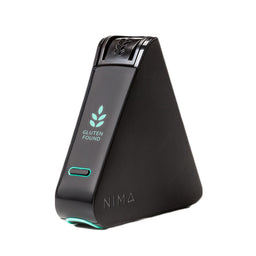
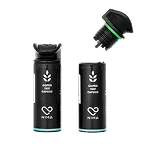
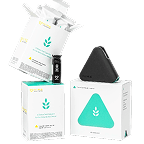
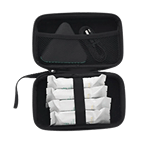
Reading the ingredient list is your first move, and choosing labeled or certified gluten-free packaged foods handles much of the uncertainty. NIMA™ can add information when you are testing an appropriate finished food, but it cannot reliably test soy sauce or other fermented and hydrolyzed products. If the uncertainty comes from the soy sauce itself, rely on the current label, certification, and manufacturer guidance rather than a sensor result.
A Breakdown of Major Soy Sauce Brands
The examples below provide a neutral starting point, not a blanket approval of an entire brand. Confirm the exact product and its current label before relying on it, because one company may sell both wheat-based and gluten-free sauces.
-
Kikkoman: Kikkoman Gluten-Free Tamari Soy Sauce is made without wheat and is certified gluten-free. Choose the specific gluten-free product rather than relying on the Kikkoman name alone.
-
San-J: San-J Tamari is brewed with soybeans and no wheat, and the company states that it is certified gluten-free.
-
Lee Kum Kee: The brand sells a separate Gluten Free Soy Sauce made without wheat. Other Lee Kum Kee soy sauces may contain wheat, so check the exact bottle.
-
Yamasa: Yamasa offers an Organic Tamari labeled gluten-free, made with water, soybeans, salt, and alcohol.
-
Pearl River Bridge: The company offers a separate gluten-free, reduced-salt soy sauce. Confirm availability and the current package label in your market.
The pattern is clear. A familiar brand may sell both wheat-based products and a separate gluten-free option. Check the exact product name, ingredient list, gluten-free claim, and certification mark each time you buy.
Cooking With Soy Sauce at Home Without the Guesswork
Even a certified gluten-free tamari can end up in a meal that is not gluten-free because of cross-contact in your own kitchen. A shared wooden spoon, a pan that held regular soy sauce, or a sponge that wiped up a wheat-based marinade can carry gluten into a meal you prepared carefully. Switching to a certified sauce solves the bottle. It does not automatically solve the surfaces around it.
You do not necessarily need a completely separate kitchen to accommodate celiac disease. A shared kitchen can work when everyone follows clear strategies to prevent cross-contact. Clean prep surfaces and washable tools thoroughly, prepare gluten-free food first, keep dedicated items for hard-to-clean equipment such as toasters and cutting boards, use separate sponges or dishcloths, and store gluten-free foods where crumbs cannot fall onto them.
NIMA™ may be an additional tool for finished foods that fit its responsible-use guidance. Do not use it to test soy sauce or to resolve uncertainty about a fermented or hydrolyzed ingredient. For a home meal made with soy sauce, confidence starts with a verified gluten-free bottle and careful cross-contact practices.
Gluten-Free Soy Sauce Alternatives
If you want a reliable swap, you have good options. Tamari is the closest match to regular soy sauce in flavor and use, so start there and choose a labeled or certified gluten-free version. Beyond tamari, two other options are worth knowing.
-
Coconut aminos: These sauces are often made without soy or wheat and tend to taste sweeter than soy sauce. Ingredients and gluten-free claims vary, so check the specific label.
-
Liquid aminos: Soy-based liquid aminos can work as a savory substitute. Check the current ingredient list and gluten-free claim instead of assuming every product is the same.
If you are building a marinade or dressing, check every supporting ingredient too. Worcestershire sauce, fish sauce, teriyaki sauce, broth, spice blends, and prepared condiments can vary by brand and recipe. The label on each bottle is the final word.
The Hidden Risk: Soy Sauce When You Are Eating Out
At home, you control the bottle. Eating out is where soy sauce gets trickier. Sushi bars, takeout spots, and restaurants may use wheat-based soy sauce in marinades, dressings, glazes, eel sauce, teriyaki, and dipping bowls you never see poured. If you are ordering sushi, ask about every sauce and marinade as well as shared prep surfaces.
Ask specific questions: Does the soy sauce contain wheat? Is tamari used, and is it labeled gluten-free? Was the dish marinated or glazed before cooking? How does the kitchen prevent cross-contact? A general "gluten-free" answer is less useful than clear details about ingredients and preparation.
Your gluten-free toolkit earns its keep here. Current labels, restaurant communication, and careful questions come first. NIMA™ can add a data point for foods that are appropriate to test, but soy sauce and other fermented or hydrolyzed products cannot be reliably tested with the sensor. Do not test the sauce itself or use a result to override a restaurant's warning that it cannot accommodate celiac disease.
Frequently Asked Questions
What brand of soy sauce is gluten-free?
Specific gluten-free options include Kikkoman Gluten-Free Tamari Soy Sauce, San-J Tamari, Lee Kum Kee Gluten Free Soy Sauce, Yamasa Organic Tamari, and Pearl River Bridge's gluten-free soy sauce. Regular products from the same brands may use wheat. Check the exact product and current label every time.
Is all tamari gluten-free?
No. Many tamari products are brewed without wheat, which is why tamari is a common swap, but the name alone is not a guarantee. Confirm the ingredient list and a current gluten-free label before you rely on it.
Is Kikkoman soy sauce gluten-free?
Kikkoman sells specific gluten-free products, including Gluten-Free Tamari Soy Sauce. Do not assume every Kikkoman soy sauce is gluten-free. Choose the exact gluten-free product and confirm the current package label.
Does the gluten in soy sauce break down during fermentation?
Fermentation breaks proteins into smaller pieces, but that does not make a wheat-containing soy sauce gluten-free. Conventional tests may not accurately measure the remaining gluten in fermented foods. For celiac disease, choose a sauce made without wheat and labeled or certified gluten-free rather than counting on fermentation.
Building Your Gluten-Free Soy Sauce Toolkit
Whether soy sauce is gluten free does not have to be a guessing game. You already have the instincts. This gives them structure.
-
Choose a labeled or certified gluten-free soy sauce or tamari for home.
-
Read the label every time, because recipes change.
-
Ask specific questions when you eat out, including what sauce is used and how cross-contact is handled.
-
Use NIMA™ as an additional data point only for foods that fit its responsible-use guidance. Do not test soy sauce or other fermented and hydrolyzed products.
NIMA™ is one more tool in your gluten-free toolkit, not a replacement for your doctor, your dietitian, restaurant communication, or careful label reading.
Want to understand where that additional layer fits? See how NIMA™ tests appropriate finished foods for gluten in about three minutes, then follow the responsible-use guidance for sampling and food limitations. More information. More clarity. More confidence before your first bite.
Recent News

Gluten Belly: Symptoms, Causes, and How to Know If Gluten Is the Problem
What people call “gluten belly” is usually bloating, pressure, or abdominal discomfort, but gluten is not the only possible cause. Learn the signs to track, conditions to rule out, and why testing should come before a gluten-free trial.


