

Gluten Rash: What It Looks Like, Why It Happens & What to Do
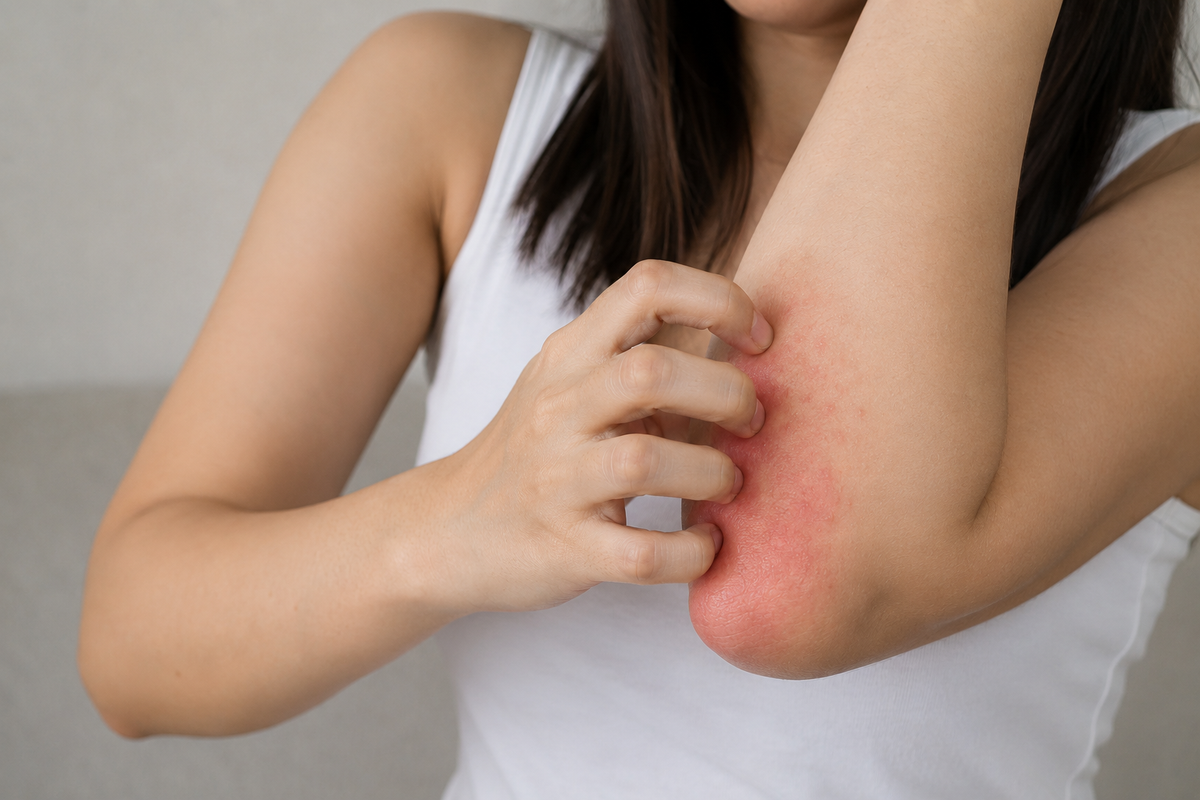
An intensely itchy rash can make you question every meal. The phrase "gluten rash" usually refers to dermatitis herpetiformis, or DH, an autoimmune skin condition linked to celiac disease. It often causes clusters of bumps or tiny blisters, though the rash alone cannot tell you what is causing it.
You deserve a clearer answer than a photo comparison can give. Here is what DH tends to look and feel like, how clinicians test for it, and what treatment may involve. Speak with a clinician before changing your diet because starting a gluten-free diet too soon can affect celiac and DH test results.
What Does a Gluten Rash Look Like?
Dermatitis herpetiformis usually appears as intensely itchy or burning clusters of small bumps and fluid-filled blisters. A gluten rash on the elbows, knees, buttocks, scalp, hairline, or back often appears in matching areas on both sides of the body. Scratching can strip away the blisters and leave crusts, raw skin, or color changes.
Sometimes the itch tells you more than the picture. Burning or stinging may begin before the bumps are easy to see, and the blisters can be so small that you never notice visible fluid.
This pattern matches NIDDK's clinical guidance on dermatitis herpetiformis. Still, a photograph cannot diagnose DH. The condition is unrelated to the herpes virus and cannot spread from person to person.
Common Locations and Patterns
A gluten skin rash linked to DH often flares in pairs. You may notice spots on both elbows, both knees, or matching areas around the buttocks, scalp, or back. For some people, the itch arrives first and the visible rash follows.
The rash can fade and return. Repeated scratching changes it too, so a clinician may see scattered crusts and irritated patches instead of neat groups of blisters. A well-lit photo of a fresh flare can preserve details that disappear before your appointment. If changes are concentrated on your face, use the gluten-related facial symptoms guide to organize questions for your clinician.
How Appearance Can Vary Across Skin Tones
Bright redness is only one possible sign of inflammation. Affected areas may look pink, red, or purple on lighter skin. On darker skin, the same inflammation can appear violet, gray-brown, deeper than the surrounding skin, or easier to notice through swelling and texture.
Healing may leave lighter or darker marks behind. Searches for mild gluten rash pictures can be misleading because texture, swelling, and scratch marks vary. Use those details to describe what you see, without treating them as proof of DH. If you compare images, choose medically reviewed examples that represent a range of skin tones.
Why Does Gluten Cause This Rash?
DH comes from an autoimmune response. In someone who is susceptible, gluten prompts the body to make IgA antibodies. Those antibodies collect in the skin and trigger inflammation, which leads to the itch, bumps, and blisters.
Clinicians often describe DH as the skin manifestation of celiac disease. Digestive symptoms may be mild or completely absent, so a stubborn skin problem can be the first clue that leads to celiac testing.
Digestive symptoms may be absent even when the immune process remains active. That gap is why the connection between gluten and rash symptoms needs clinical testing, with clinicians considering the rash pattern, antibody tests, and biopsy findings together.
Is Every Rash After Gluten a "Gluten Rash"?
No. "Gluten rash" is an informal phrase, and a flare after a meal does not prove that gluten caused it. A clinician may need to separate DH from eczema, hives, contact dermatitis, psoriasis, scabies, an infection, or another blistering disorder.
Timing, location, sensation, family history, medicines, and skin products all add useful context. A skin rash after gluten exposure does not confirm DH or a food allergy. Bring those details to your appointment. A food diary may help you remember the sequence, but it cannot establish the cause on its own.
Conditions That Can Look Similar
DH often brings a fierce itch, small grouped bumps or blisters, and a symmetrical pattern. A gluten rash and eczema can look similar in photos, but eczema and contact dermatitis may cover broader irritated areas. Hives tend to form raised welts that move or fade. Infections and other blistering disorders need their own evaluation.
A cream might soothe some rashes without touching the autoimmune process behind DH. Skip harsh home remedies on broken or inflamed skin. If something seems to help, tell your clinician what you used and how quickly the rash changed.
A fast-spreading rash with throat or facial swelling, trouble breathing, faintness, or widespread hives may signal anaphylaxis. Follow AAAAI's anaphylaxis guidance. Call emergency services right away.
Widespread blistering with fever, rapidly worsening pain, or signs of a serious infection needs urgent medical attention.
Gluten Allergy, Intolerance, Sensitivity, and Celiac Disease Are Different
Celiac disease is an autoimmune condition. Wheat allergy is an allergic reaction to wheat proteins.
Clinicians consider non-celiac gluten sensitivity only after evaluating those conditions. The term celiac rash usually refers to dermatitis herpetiformis, which is associated with gluten-sensitive enteropathy and celiac disease.
Searches for "gluten allergy symptoms rash," "rash with gluten intolerance," and "rash with gluten sensitivity" often blend these conditions together. If one of those phrases brought you here, read more about gluten intolerance symptoms. Then ask a clinician which testing fits your history.
How Do Doctors Diagnose a Gluten Rash?
A dermatologist or another qualified clinician will look at the rash pattern and your medical history, then use testing to confirm or rule out DH. Photos of a fresh flare can help show how it changes. They cannot replace a biopsy or appropriate blood work.
The usual path includes a skin biopsy with direct immunofluorescence and celiac antibody blood tests. Your healthcare team may suggest further gastrointestinal evaluation based on your symptoms and results.
Scratch marks can hide the original blisters. That means the sorest spot may not be the best place to sample. Follow the clinic's preparation instructions and bring a list of medicines or products you have put on the rash.
Skin Biopsy and Blood Tests
For direct immunofluorescence, the clinician usually takes a sample of normal-looking skin beside an active lesion. The test checks for a granular pattern of IgA deposits. Biopsy location matters. Ask where the sample will come from before the procedure begins.
Blood work may include tests such as tTG-IgA and EMA-IgA. A typical skin biopsy plus supportive blood results can point to DH and celiac disease. Many people do not need a small-intestinal biopsy solely to confirm DH, though that decision belongs to the healthcare team.
Test results rarely stand alone. Your diet, symptoms, family history, and biopsy findings help the clinician make sense of the full picture.
Do Not Stop Eating Gluten Before Testing
Get tested before going gluten-free. NIDDK's celiac diagnosis guidance warns that starting a gluten-free diet before diagnostic testing can affect the results. Long-term gluten avoidance can reduce the skin and antibody findings used to identify DH.
Speak with a clinician before changing your diet. If you already avoid gluten, do not restart it on your own. Ask for a medically supervised testing plan that accounts for your current eating pattern and health history.
Can a Gluten Sensor Diagnose a Gluten Rash?
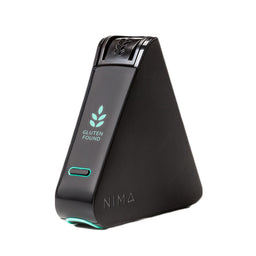
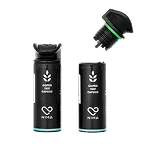
No. A gluten sensor cannot diagnose dermatitis herpetiformis or celiac disease. NIMA is a food-testing tool, not a medical device. NIMA's portable sensor checks the food sample placed in a single-use capsule for gluten, which answers a different question from a skin biopsy or blood test.
If you are seeking a diagnosis, use clinical testing first and speak with a clinician before changing your diet. After diagnosis, NIMA can add one more data point when an unfamiliar dish leaves questions. The result applies only to the tested sample and cannot predict or explain a rash flare.
How Do You Clear Up a Gluten Rash?
Confirmed DH is managed with a strict gluten-free diet. A clinician may prescribe medicine to calm the itch while the diet begins to control the autoimmune response.
Relief has no fixed timeline. Medicine can work quickly for some people. Dietary control may take months or longer. If the rash returns after an accidental exposure, contact your care team instead of assuming you know the cause. Alongside the treatment discussion, checking medication ingredients can help you bring product-specific questions to your pharmacist.
A dermatologist, gastroenterologist, primary care clinician, and registered dietitian can each help with a different part of diagnosis, symptom control, nutrition, or long-term follow-up.
A Gluten-Free Diet Treats the Underlying Disease
For confirmed celiac disease and DH, gluten avoidance is the foundation of care. A search for a gluten intolerance rash may have brought you here, but treatment should follow a confirmed diagnosis. The routine reaches beyond obvious bread and pasta. It includes reading labels, choosing appropriate gluten-free products, asking direct questions in restaurants, and preventing cross-contact.
A registered dietitian can help you cover nutrition needs and build habits that work at home, at work, and while traveling. It has to work in real life.
For a practical starting point, use NIMA's guide to celiac disease foods to avoid.
Medicines May Calm Symptoms While the Diet Takes Effect
Clinicians often use dapsone for faster relief and may consider alternatives when it is unsuitable. Dapsone requires medical supervision and blood monitoring. The Celiac Disease Foundation's DH treatment overview explains that medicine may control skin symptoms. Dietary treatment addresses the disease.
Do not start, stop, or adjust medicine without the prescribing clinician. That decision should reflect your test results, other health conditions, monitoring needs, and the way your body responds to care over time.
What Should You Do If You Suspect Gluten Is Triggering Your Rash?
Prepare for an appointment instead of trying to prove the cause at home. Start with a simple record that helps a dermatologist or primary care clinician see the pattern.
-
Take clear photos of each flare.
-
Write down when the itch, burning, or stinging began.
-
Map every affected area and note whether the pattern appears on both sides of your body.
-
List your medicines, supplements, skincare products, and relevant family history.
-
Bring questions about DH, celiac antibody tests, biopsy location, and whether a gastroenterology referral makes sense for you. Questions to ask your GI or dietitian after a celiac diagnosis can help you prepare for the conversation.
Avoid unnecessarily eliminating other foods while trying to identify the cause of a rash. Food sensitivities and intolerances do not cause DH. If symptoms persist despite a gluten free diet, work with your healthcare team to determine whether continued gluten exposure or another condition may be responsible. Understanding gluten allergy vs. celiac disease helps readers distinguish an immune disorder from intolerance or other reactions.
Bring your notes and photos to the appointment. If the rash changes quickly, record the change rather than trying several new products at once.
A food sensor, elimination diet, or online image cannot diagnose the rash. Get urgent help for breathing trouble, throat or facial swelling, faintness, fever with widespread blistering, or signs of a serious infection.
After Diagnosis, Build a Stronger Gluten-Safety Toolkit
Once DH or celiac disease is confirmed, start with medical guidance and a strict gluten-free diet. Labels, restaurant questions, and cross-contact precautions remain core safeguards. In the United States, the FDA's gluten-free labeling rule requires labeled foods to contain less than 20 ppm of gluten.
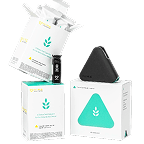
Restaurant meals still carry unknowns that a package label cannot answer. Learning how to test restaurant food for gluten can help you plan around those unknowns. NIMA can add another piece of information when uncertainty remains. It tests a pea-sized sample for gluten from wheat, barley, and rye down to 10 ppm with 99% accuracy in about three minutes.
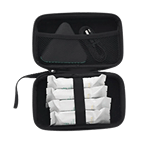
Sampling matters. One result covers only the food placed in the capsule. If you want a separate result for another component, you need another capsule.
NIMA does not diagnose or treat DH or celiac disease, and it cannot guarantee that an entire meal is safe. Fermented or hydrolyzed foods and alcoholic beverages cannot be reliably tested. Use the NIMA sensor responsibly as one added source of information alongside the safety habits and medical guidance you already trust.
Get Answers Before You Change Your Diet
A gluten rash can be an important clue. The clearest next step is a medical evaluation before dietary changes affect testing. Photograph the flare, speak with a clinician before changing your diet, and ask about dermatitis herpetiformis and celiac testing.
After diagnosis, keep building habits that give you more clarity and control. NIMA can add one more layer of information when a restaurant meal or unfamiliar dish leaves questions. Its portable sensor checks the sample you test and returns a clear result in about three minutes, helping you decide what to do before the first bite. Understanding NIMA's accuracy and role in gluten-free living can help you decide where it fits alongside your healthcare team, gluten-free diet, labels, restaurant communication, and cross-contact precautions.
Recent News

Gluten Belly: Symptoms, Causes, and How to Know If Gluten Is the Problem
What people call “gluten belly” is usually bloating, pressure, or abdominal discomfort, but gluten is not the only possible cause. Learn the signs to track, conditions to rule out, and why testing should come before a gluten-free trial.


