

Is Couscous Gluten Free? What People With Celiac Disease Need to Know

No, traditional couscous is not gluten free because it is made from semolina, a type of durum wheat. Moroccan, pearl, and Israeli couscous are normally wheat-based too. A product is a possible option only when the label says gluten free and both the ingredients and preparation check out.
That answer can save you a frustrating label scan or an uncomfortable restaurant conversation. Here is how to tell standard couscous from gluten-free alternatives, check for cross-contact, and choose a substitute that fits the meal you planned.
Is Couscous Gluten Free? The Quick Answer
Traditional couscous contains gluten. It may look like a grain, but couscous is tiny pasta made by rolling moistened semolina into small granules. Semolina comes from durum wheat, so standard couscous is not suitable for a person with celiac disease.
The name or shape does not change that. Fine Moroccan couscous, larger pearl couscous, and Israeli couscous are usually wheat products. The package must clearly state gluten free to qualify as an exception.
Gluten-free versions do exist, but they are made with ingredients such as corn, rice, sorghum, millet, buckwheat, or fonio.
A front-of-pack image or a “rice-style” description is not enough. The exception must be supported by both the gluten-free wording and an ingredient list built from non-wheat grains. The reason couscous is not gluten free is its wheat base, not its shape or preparation. A gluten sensor may add information when a dish is presented as gluten free, but the label and ingredients come first.
Why Traditional Couscous Contains Gluten
The ingredient gives you the answer. The National Institute of Diabetes and Digestive and Kidney Diseases lists wheat and wheat varieties such as durum and semolina among grains that contain gluten. Because traditional couscous starts with semolina, it belongs in the same category as other wheat-based pasta.
This is easy to miss because cooked couscous resembles rice or quinoa. Appearance is not a reliable guide.
Check the grain named in the ingredient list. Treat the word “semolina” as wheat. The manufacturer must clearly identify a different source for any exception.
Is Moroccan Couscous Gluten Free?
Traditional Moroccan couscous is usually made from semolina wheat, so it is not gluten free. The vegetables, chickpeas, spices, or meat served with it may be naturally gluten free, but that does not make the couscous itself suitable.
When ordering, ask about the grain and the full dish. Broth, bouillon, flour-thickened sauces, and shared utensils can add other sources of gluten even when the vegetables and protein look straightforward.
Is Pearl or Israeli Couscous Gluten Free?
Pearl couscous and Israeli couscous are usually not gluten free. Their larger, chewy beads are typically made from wheat flour or semolina, then toasted, so they remain a form of pasta. Giant couscous is typically another wheat-based pasta bead, so it is not gluten free either.
Do not rely on the product name, bead size, or location in the rice aisle. Look for a specific gluten-free claim and read the ingredient list every time. If wheat, durum, or semolina appears without a compliant gluten-free claim, choose another option.
Can People With Celiac Disease Eat Couscous?
People with celiac disease should not eat standard wheat-based couscous. Treatment requires a lifelong gluten-free diet, so the useful question is not whether a small portion seems harmless. It is whether the exact product and its preparation are genuinely gluten free. Preparation also includes knowing what to expect from symptoms after accidentally eating gluten and when to seek medical guidance.
If you are still building your everyday food list, NIMA’s celiac disease foods to avoid guide covers common wheat-based foods, hidden gluten sources, and practical checks before choosing a packaged option.
When a Product Is Labeled Gluten Free
In the United States, a packaged food that uses a gluten-free claim must meet the FDA definition. That includes keeping any unavoidable gluten below 20 parts per million and avoiding unprocessed ingredients from wheat, rye, barley, or related crossbred grains.
A gluten-free claim is useful, but it is not the only line to read. Check the full ingredient list, any certification mark, the allergen statement, and current manufacturer guidance. Formulas and production arrangements can change, so recheck even familiar products. A wheat-free claim is not automatically a gluten-free claim because barley and rye also contain gluten.
Wheat must be declared when it is a major allergen, but barley and rye can still require careful ingredient reading. Do not stop at the “Contains” line.
Advisory statements such as “may contain wheat” are voluntary. Their absence does not prove that cross-contact is impossible, and their presence is not the only information that matters.
Should You Test Packaged Gluten-Free Couscous With NIMA?
A certified gluten-free couscous substitute usually does not need testing with the NIMA gluten sensor when the package is intact and you have no reason to doubt it.
NIMA’s responsible-use guidance places the sensor in moments of genuine uncertainty, such as a restaurant dish or food prepared in a shared kitchen. That keeps testing focused on situations where an extra data point can help instead of second-guessing a certification you already trust.
How Cross-Contact Changes the Answer
A corn-, rice-, or millet-based couscous alternative can start gluten free and still pick up gluten during processing or preparation. NIMA’s cross-contact and cross-contamination guide explains how shared equipment and surfaces can move gluten into otherwise gluten-free food.
For couscous-style dishes, watch for shared pasta water, colanders, scoops, cutting boards, and serving spoons. At restaurants, ask about broths, roux, fryers, and prep areas. Cross-contact may affect only part of a dish, which is why a single assumption cannot cover the whole plate.
How to Check Couscous at the Store or a Restaurant
Use the same calm sequence each time. Identify the grain, verify the claim, then check the preparation.
At the store, that means reading the package. At a restaurant, it means asking questions specific enough for the kitchen to answer. For a packaged alternative, identify what the gluten-free couscous is made from and confirm the named grain is not wheat.
-
Check what the couscous is made from. Plain “semolina” or “durum” means wheat. A different source must appear clearly on the label.
-
Look for a gluten-free claim or reputable certification, then read the complete ingredient list.
-
Review manufacturer guidance when the package leaves cross-contact questions unanswered.
-
Ask whether broth, seasoning blends, bouillon, or sauces contain wheat, barley, or rye ingredients.
-
Confirm whether the kitchen uses separate water, colanders, utensils, and prep space for gluten-free orders.
-
Choose a naturally gluten-free side if staff cannot confirm both the ingredients and the preparation.
You do not need to turn the conversation into an interrogation. A short, direct question such as “Is this made with wheat semolina, and is it prepared separately from wheat pasta?” often gets to the decision faster.
If the server is unsure, ask whether a manager or chef can confirm. A confident “I think so” is not the same as a verified ingredient and preparation answer.
Can NIMA Test Couscous at a Restaurant?
NIMA can test a representative sample of a solid or semi-solid couscous dish, but it cannot confirm the whole plate.
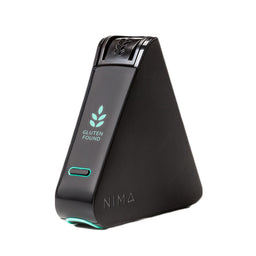
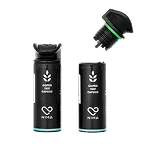
For a dish the kitchen presents as gluten free, use the capsule cap to dab small amounts from different areas and follow the current sampling guidance. The sensor returns a result in about three minutes.
Do not rely on a NIMA result for broth, thin soup, fermented sauce, or another food outside its testing guidance. Keep ingredient checks and restaurant communication ahead of any result.
The Best Gluten-Free Couscous Alternatives
The best substitute depends on what you want the couscous to do. For cold salads and grain bowls, choose something fluffy that holds dressing. For stews or saucy dishes, choose a grain that stays distinct and can carry the sauce without becoming mushy.
Whatever you pick, check packaged grains for a gluten-free claim when cross-contact is a concern. Naturally gluten-free does not automatically mean a packaged product was processed in a gluten-free environment. Compare gluten-free couscous brands by ingredient, claim, and current manufacturer guidance rather than assuming every product is interchangeable.
For the closest texture, use fine corn-based couscous or millet. For more bite, choose quinoa or sorghum. Rice is the most neutral option when the sauce should stay in the foreground.
Quinoa vs. Couscous
Plain quinoa is naturally gluten free, but traditional couscous is wheat-based. Quinoa works especially well in salads, stuffed vegetables, and grain bowls because it stays light and separate after cooking.
Its flavor is earthier and its texture is not identical to couscous, but it is an easy one-for-one starting point in many meals. Rice works when you want a milder base. Our guide explains why rice is gluten free and what to check on flavored or packaged varieties.
Rice, Corn, Sorghum, Millet, and Fonio
Rice is mild and widely available, making it a practical choice for pilafs and side dishes. Corn-based couscous is often the closest visual match to fine couscous.
If the label says “maize semolina,” that refers to corn. Plain “semolina” usually refers to durum wheat. Whole-wheat couscous contains gluten because it still uses wheat.
Sorghum has a pleasantly chewy texture and works well in hearty bowls. Millet cooks into small, tender grains that suit lighter sides.
Fonio is fine and quick-cooking. Buckwheat brings a stronger, nutty flavor and is naturally unrelated to wheat.
Cooking times vary, so follow the package instead of using couscous directions by default. A minute spent checking the grain and preparation can preserve the meal you wanted without forcing a risky substitute.
Start with the package liquid ratio, taste near the end of cooking, and let the grain rest before fluffing. That small adjustment matters more than forcing a substitute to behave exactly like wheat couscous.
Where NIMA Fits in Your Gluten-Free Toolkit
Label reading and kitchen questions come first. If a dish is presented as gluten free and is appropriate to test, NIMA can provide one more data point before the first bite. The sensor tests a representative food sample and returns a result in about three minutes.
NIMA has been independently validated with a 99% probability of detecting gluten at 10 ppm. But the result applies only to the sample placed in the capsule. It does not certify an entire plate, restaurant, product, or brand, and it should never override a kitchen warning that the meal cannot be prepared for someone with celiac disease.
Learn how the NIMA sensor works, then review the responsible-use guidance before testing. Some foods require special sampling, and fermented or hydrolyzed foods and alcoholic beverages cannot be reliably tested with NIMA.
Choose a Couscous Alternative With Confidence
Standard couscous is made from wheat and is not gluten free. Still, a clearly labeled gluten-free couscous alternative, quinoa, rice, corn, sorghum, millet, buckwheat, or fonio can keep salads, bowls, and side dishes on the menu.
Keep the sequence simple. Check the grain, read the label, and ask how the dish was prepared. If uncertainty remains around a restaurant or shared-kitchen meal, NIMA adds an independently validated data point from the sample you test. See how the gluten sensor works before your next meal, then read the responsible-use guidance so you know what each result can and cannot tell you.
Recent News

Gluten Belly: Symptoms, Causes, and How to Know If Gluten Is the Problem
What people call “gluten belly” is usually bloating, pressure, or abdominal discomfort, but gluten is not the only possible cause. Learn the signs to track, conditions to rule out, and why testing should come before a gluten-free trial.


