

Is Sushi Gluten Free? What the Data Says
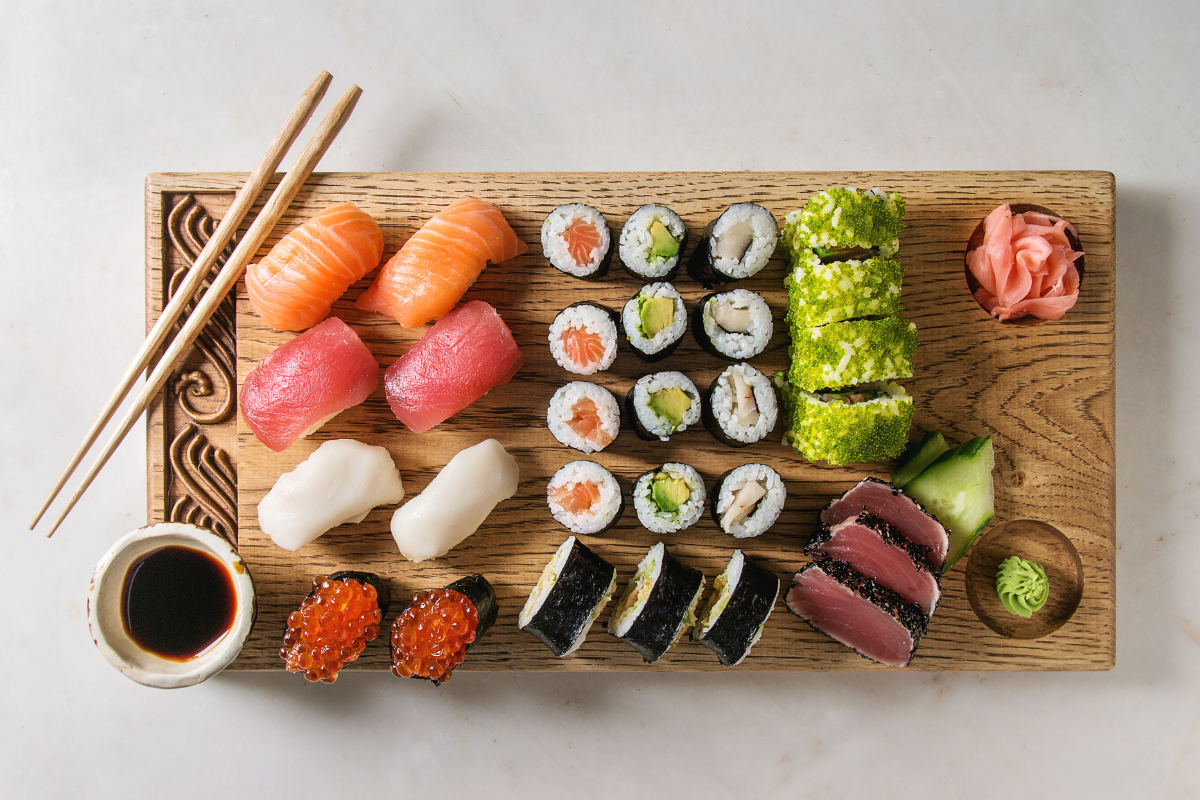
You've scanned the menu twice. The rolls sound safe. But you still can't quite tell what's hiding in that spicy tuna or crunchy shrimp, and the sushi bar is loud, and the server is already asking what you want. That gap between "this should be fine" and "I'm actually sure" is where most people with celiac disease get caught.
Here is the short version. Some sushi is naturally gluten-free. Rice, plain nori, fresh fish, and vegetables sit at the safe end of the menu. Modern restaurant sushi, though, often carries hidden gluten in soy sauce, imitation crab, tempura, and eel sauce, and cross-contact from shared boards and fryers can compromise a roll that looks clean on paper. You are getting a data-backed guide to what is actually in your roll, plus a way to check before your first bite.
Is Sushi Gluten Free? The Short Answer
It depends on what you order and where you order it. Traditional sushi built from rice, nori, fresh fish, and vegetables is gluten-free by ingredient. Modern restaurant sushi frequently is not, because sauces, marinades, imitation seafood, and shared prep surfaces bring wheat, barley, or rye into the picture.
The label game does not help as much as most people assume. Under the FDA's gluten-free labeling final rule, a food carrying a "gluten-free" claim in the US can still legally contain up to 20 parts per million of gluten. The label follows a regulatory threshold, not a zero-gluten guarantee. That distinction matters when you have celiac disease and small amounts of gluten can still be significant.
The good news is you can still eat sushi. You just need to know which parts of the menu are on your side, which parts to avoid, and how to add one more layer of confidence when it counts.
Sushi Ingredients That Are Naturally Gluten Free
Sushi at its core is a short list of ingredients. Most are safe, and the base is naturally dairy-free too, which matters if you are managing both. Here is what belongs on the safe side of the menu when it hasn't been messed with.
Sushi Rice and Rice Vinegar
Plain short-grain rice is naturally gluten-free. Rice vinegar is usually safe too, but there's one exception worth knowing. Some seasoned rice vinegars may include malt vinegar or other gluten-containing ingredients, so the label needs a close read.
Some restaurants season their rice with mirin or a rice vinegar blend that contains gluten, so a piece of nigiri built on that rice is no longer safe. Ask what the rice is seasoned with. If the answer is vague, treat the rice as uncertain. At home, this is easy to sidestep. Look for a rice vinegar labeled gluten-free, or use plain distilled rice vinegar with your own sugar and salt.
One more detail deserves a question: the ingredients used to season the rice. Rice vinegar is generally gluten-free, but seasoned vinegar blends or other rice-seasoning products may contain additional ingredients. Ask what is used to season the sushi rice and verify that it does not contain wheat, barley, or rye.
Nori (Seaweed)
Plain nori sheets are gluten-free. The main risk is cross-contact in processing facilities that share equipment with wheat-based products, which is why a certified gluten-free label can add clarity.
Watch the flavored and seasoned nori snacks more carefully. Those may contain soy sauce, wheat starch, or other coatings that bring gluten in. The plain sheet you wrap a roll in is usually the simpler choice. Flavored snacks need a closer label check.
Fresh Fish and Vegetables
Raw tuna, salmon, yellowtail, and other fresh fish are naturally gluten-free. So are the standard vegetable fillings you see on menus, from cucumber and avocado to carrot and asparagus.
Slow down on marinated and cured options. Smoked salmon may be glazed or seasoned with gluten-containing ingredients. Any fish described as teriyaki, glazed, or spicy needs an ingredient check. Spicy mayo recipes vary too. Sashimi, meaning fish only with no rice or fillers, is often a simpler choice on a restaurant menu, as long as the fish itself hasn't been marinated.
Real Wasabi
Real wasabi, grated from the wasabia japonica plant, is gluten-free. The catch is that most US restaurants don't serve it. What comes on the plate is usually imitation wasabi made from horseradish, mustard, food coloring, and other ingredients that vary by brand.
Because imitation wasabi recipes vary, ask what is in it or check the label. If the restaurant cannot confirm the ingredients, skip it.
Where Hidden Gluten Sneaks Into Sushi
The naturally safe list is only half the story. The other half is a set of ingredients and preparations that can bring gluten into food that looks safe. Here is what to watch for.
Soy Sauce Is the Biggest Culprit
Most traditional soy sauce is brewed with wheat, including many of the packets served with takeout. This is one of the most common ways gluten gets into a sushi meal.
Many tamari products are made without wheat, but not every tamari is gluten-free. Look for a certified gluten-free option, and many gluten-free eaters bring their own single-serve packets for restaurants that do not stock one. Kikkoman, San-J, Lee Kum Kee, and Yamasa each sell a specific gluten-free soy sauce or tamari next to their wheat-based bottles, so the product name matters more than the brand. Do not assume dark equals dangerous or light equals safe. Ask what is in the sauce.
Imitation Crab (Surimi)
Imitation crab is made from processed white fish, usually pollock, and some products use wheat starch, wheat flour, or another gluten-containing binder. That means rolls labeled with "krab," "crab stick," or "kani" may contain gluten. California rolls and dynamite rolls need an ingredient check too.
Real crab meat is gluten-free, and some restaurants use snow crab or king crab instead of surimi. If you want the roll, ask what the crab is. If it is imitation, ask to see the ingredient information or choose a simpler option.
Tempura and Anything Fried
Traditional tempura batter is made from wheat flour. Any roll with the word "tempura" or "crunch" in the name, like shrimp tempura, tempura crunch, or spicy crunch, is likely to have wheat in the mix. Even a roll without tempura in the name can be affected if the kitchen fries food in oil shared with tempura batter. As a general guide, if it's crispy and it isn't a fresh vegetable, treat it as uncertain until the kitchen confirms otherwise.
If a restaurant offers gluten-free tempura, also ask whether it is prepared in a dedicated fryer or shared oil. Removing the wheat-containing batter does not eliminate the risk of cross-contact from shared frying oil.
Miso
Miso is traditionally made from fermented soybeans, rice, or other grains, but not every miso product is gluten-free. Some varieties may contain barley or other gluten-containing grains. Miso soup and miso-based sauces should therefore be checked before ordering rather than assumed to be safe.
Eel Sauce, Teriyaki, and Marinades
Many eel sauces, known as unagi sauces, are made with soy sauce and mirin, so they often contain wheat. Teriyaki glazes carry the same risk. Ponzu often does too, and spicy mayo recipes may include soy sauce. If your roll arrives drizzled with a dark, glossy sauce, ask the restaurant to confirm the ingredients and preparation.
Other Sauces and Condiments to Check
Soy sauce is not the only ingredient worth asking about. Spicy mayo, specialty house sauces, miso-based sauces, and other flavored condiments can contain gluten-containing ingredients or be prepared with regular soy sauce. Ask what is in any sauce before ordering rather than assuming a familiar condiment is gluten-free. That is one reason to investigate when someone feels sick after eating gluten-free: the entrée may look safe while a sauce or condiment introduces an ingredient or shared-prep risk that was not obvious on the menu.
Be especially cautious with specialty rolls that use multiple sauces or "house" drizzles, since the individual ingredients may not be obvious from the menu description.
Imitation Wasabi and Pickled Ginger
Imitation wasabi is worth naming twice because recipes vary and may contain gluten-based ingredients. Ask what is in it instead of relying on appearance.
Pickled ginger (gari) is usually gluten-free, but flavored products and brand recipes vary. Confirm at the restaurant if you rely on it. Sesame seeds and pure sesame oil are naturally gluten-free, while flavored blends still need a label check.
How to Choose Sauces and Vinegar at Home
The label game gets complicated the moment you leave the certified gluten-free aisle. A rice vinegar blended with malt vinegar, a tamari that changed suppliers, or a marinade with an updated ingredient list can create new uncertainty in your kitchen.
Fermented, hydrolyzed, highly acidic, and some high-fat products can be difficult for antibody-based gluten tests to assess reliably. That includes products such as soy sauce and malt vinegar. For these foods, choose certified gluten-free brands and follow the current manufacturer guidance instead of relying on a NIMA result alone.
NIMA can add information when you test a representative sample of a compatible food, but it does not replace label reading or certified products. Results reflect only the sample tested, so use the responsible-use guidance for the specific food before testing.
Do California Rolls Have Gluten?
Many California rolls may contain gluten. Imitation crab is the main ingredient to check, and soy-based sauces used in preparation can add another source.
Some restaurants build California rolls with real crab meat. Those can be gluten-free by ingredient, as long as the rice seasoning and sauces are gluten-free. Cross-contact still needs its own conversation.
Practical takeaway. Ask whether the crab is real or imitation. If it is imitation, ask for the ingredient information. If it is real, still confirm the sauces and how the roll was cut and prepared. Cross-contact is a separate risk, covered in the next section.
Cross-Contact: The Risk You Can't Read Off a Menu
You can order a roll built entirely from gluten-free ingredients and still encounter cross-contact. Ingredients aren't the only source of gluten in a sushi kitchen. Shared knives, cutting boards, prep surfaces, and fryers can move gluten from one dish to the next long after the wheat-containing food is gone.
Sushi bars are especially exposed. Rolls are cut on the same board within minutes of each other. Imitation crab is often unwrapped, chopped, and staged next to raw fish. A well-meaning chef can build your roll from gluten-free ingredients and still hand you a plate that carries trace gluten. According to Beyond Celiac, even trace exposure can be enough to trigger a reaction in someone with celiac disease.
This is why a "gluten-free" answer from a busy server may not address every question. That answer can be given in good faith, even when the kitchen does not have a dedicated gluten-free process.
How to Handle Grab-and-Go Sushi With Celiac Disease
Airport counters, hotel buffets, gas station cold cases, and grocery store to-go shelves are some of the hardest sushi environments to vet. There's no chef to ask, the packaging may leave out details about sauces and binders, and the cross-contact history is difficult to confirm.
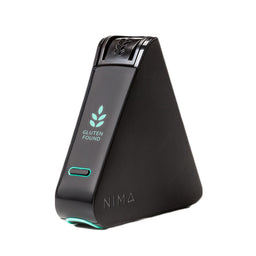
If you keep a portable gluten sensor with you, you can test a representative pea-sized sample from a compatible food before deciding whether to eat it. In about three minutes, NIMA reports whether gluten is detected in the tested sample down to 10 parts per million.
Sampling still matters. A result from the rice does not confirm the imitation crab, and a result from a piece of tuna does not confirm the sauce packet. Prioritize the ingredient most likely to carry wheat, follow NIMA's responsible-use guidance, and skip the tray if the result flags gluten.
This is not a substitute for the calls, the questions, and the certified brands you already trust when you can get them. It is an additional tool when those options are limited.
Can You Eat Sushi With Celiac Disease?
Yes, but it takes more planning than eating sushi as someone without celiac disease. Restaurant sushi needs careful questions about ingredients, substitutions, and the kitchen's cross-contact process.
Celiac disease affects about 1% of the global population, and a strict lifelong gluten-free diet remains the only accepted treatment. That reality is what makes precision at the sushi bar matter so much.
Sushi is not off the table forever. Your care team, your habits, and your questions are already doing most of the work. The last section of this guide adds one more layer.
How to Order Sushi Safely at a Restaurant
Restaurants are where most gluten-free sushi decisions get made. A short pre-visit and a clear approach at the table make the difference.
Be Careful With Menu Descriptions
Words such as "crispy," "crunchy," "tempura," "marinated," "spicy," "glazed," and "house sauce" are good reasons to ask additional questions. A roll can contain gluten even when wheat is not obvious from its name.
Call ahead when you can. Ask if the restaurant has a gluten-free menu, whether they carry a certified gluten-free tamari, and how they handle cross-contact. Clear, specific answers can help you understand the kitchen's process.
Work through the menu in this order of safety:
-
Sashimi first, fish only, no rice or fillers.
-
Nigiri second, once you've confirmed the rice isn't seasoned with anything wheat-based.
-
Simple rolls after that, like avocado, cucumber, or plain tuna or salmon on plain rice.
Skip anything with sauce, crunch, imitation ingredients, or a "special roll" name that hides what's inside.
Bring your own gluten-free tamari packets. Ask for real wasabi. Ask the chef to clean the board and knife before making your rolls and, if you can, ask them to plate your food before the rest of the table's.
Even after all of that, there may still be uncertainty about the food in front of you. NIMA was built to add clarity in that gap, and testing restaurant food for gluten comes down to picking the right bite, since one clean read on the rice says nothing about the eel sauce.
Making Gluten Free Sushi at Home
At home, you have more control over every ingredient, surface, and utensil.
Start with the essentials:
-
Short-grain sushi rice
-
Certified gluten-free rice vinegar
-
Plain nori sheets
-
Fresh fish from a trusted source
-
Gluten-free tamari
From there, keep a dedicated gluten-free cutting board and knife, wash hands and utensils between prep steps, and store leftovers in their own labeled container so a shared shelf doesn't reintroduce gluten later. Beyond Celiac and the Celiac Disease Foundation both maintain safe recipe collections, if you want a starting point that already accounts for cross-contact.
The Last Layer of Confidence: Testing Sushi With NIMA
You already do the work. You read labels, you ask questions, you talk to your care team, you avoid the obvious risks. That is your gluten-free toolkit, and it is doing a lot of heavy lifting every time you sit down to eat.
NIMA is what comes after all of that. It is the last check before the first bite.
Here's how it works:
-
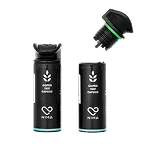
Place a pea-sized, representative sample of the food into a single-use capsule.
-
Slide the capsule into the sensor.
-
In about three minutes, NIMA reports whether gluten is detected in the tested sample.
It detects gluten from wheat, barley, and rye down to 10 parts per million, with 99% accuracy, independently validated by Bia Diagnostics in October 2025.
Picture a real sushi scenario. You have called ahead, asked the right questions, watched the sushi arrive, and everything looks right. Before the first bite, you take a representative sample from the food and test it. A no-gluten-found result applies to the tested sample and can add confidence. If NIMA flags gluten, you stop before taking a bite.
A few points worth clarifying. NIMA is a food-testing tool, not a medical device. It is not FDA approved. It does not replace your healthcare team or your dietitian. It adds a layer of protection. It does not guarantee safety.
Eat Sushi With More Confidence
Sushi doesn't have to be off the table. Know which ingredients are on your side, watch for hidden gluten in soy sauce, imitation crab, tempura, and eel sauce, ask the right questions at the restaurant, and consider testing a compatible food before you bite.
You've built a careful toolkit. NIMA is the last layer, a pre-bite check that adds a data point in about three minutes. See how NIMA works before your next sushi order, and eat with more of what sushi is supposed to feel like. Clarity, and a little more freedom.
Recent News

Gluten Belly: Symptoms, Causes, and How to Know If Gluten Is the Problem
What people call “gluten belly” is usually bloating, pressure, or abdominal discomfort, but gluten is not the only possible cause. Learn the signs to track, conditions to rule out, and why testing should come before a gluten-free trial.


